
Costa Rica: Why I Didn’t Expect It to Change Me
Written by: Rosie Letts for Ravoke.com I have spent 15 years sitting across from women at pivotal moments in their lives.Perimenopause. Burnout. Exhaustion that doesn’t make sense. Hormones that feel
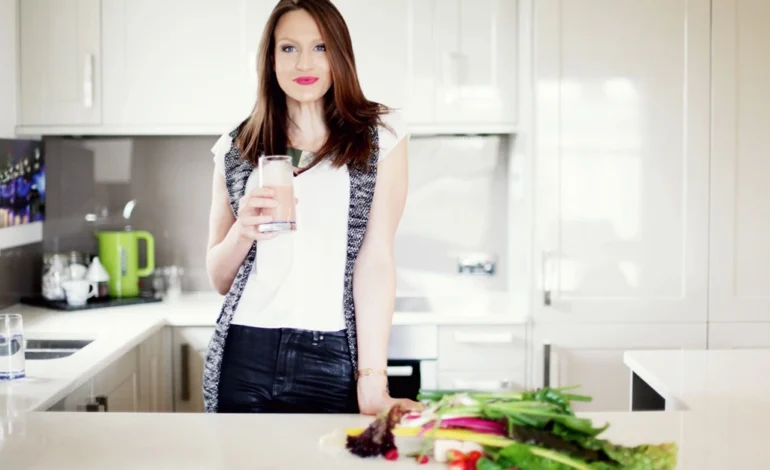

Written by: Rosie Letts for Ravoke.com
I have spent 15 years sitting across from women at pivotal moments in their lives.
Perimenopause. Burnout. Exhaustion that doesn’t make sense. Hormones that feel unpredictable. Bodies that no longer respond the way they used to.
My work as a nutritional therapist is deeply personal and often private. It happens in one-to-one consultations — in honest conversations, in tears, in relief when something finally makes sense.
So when I travelled to Costa Rica to film with Ravoke, I thought I knew what I was going there to do: talk about nutrition, supplements, the microbiome, and the science of supporting women through perimenopause and menopause.
What I didn’t expect was how much it would move me.
Taking clinical conversations out of the clinic
In my day-to-day practice, I support women navigating midlife transitions — helping them understand how targeted nutrition and supplementation can support energy, mood, sleep, bone health, and metabolic resilience.
These are conversations I have constantly. Carefully. Clinically.
But in Costa Rica, those same conversations unfolded differently. They happened barefoot. Around shared tables. In open air. Without appointment times or ticking clocks.
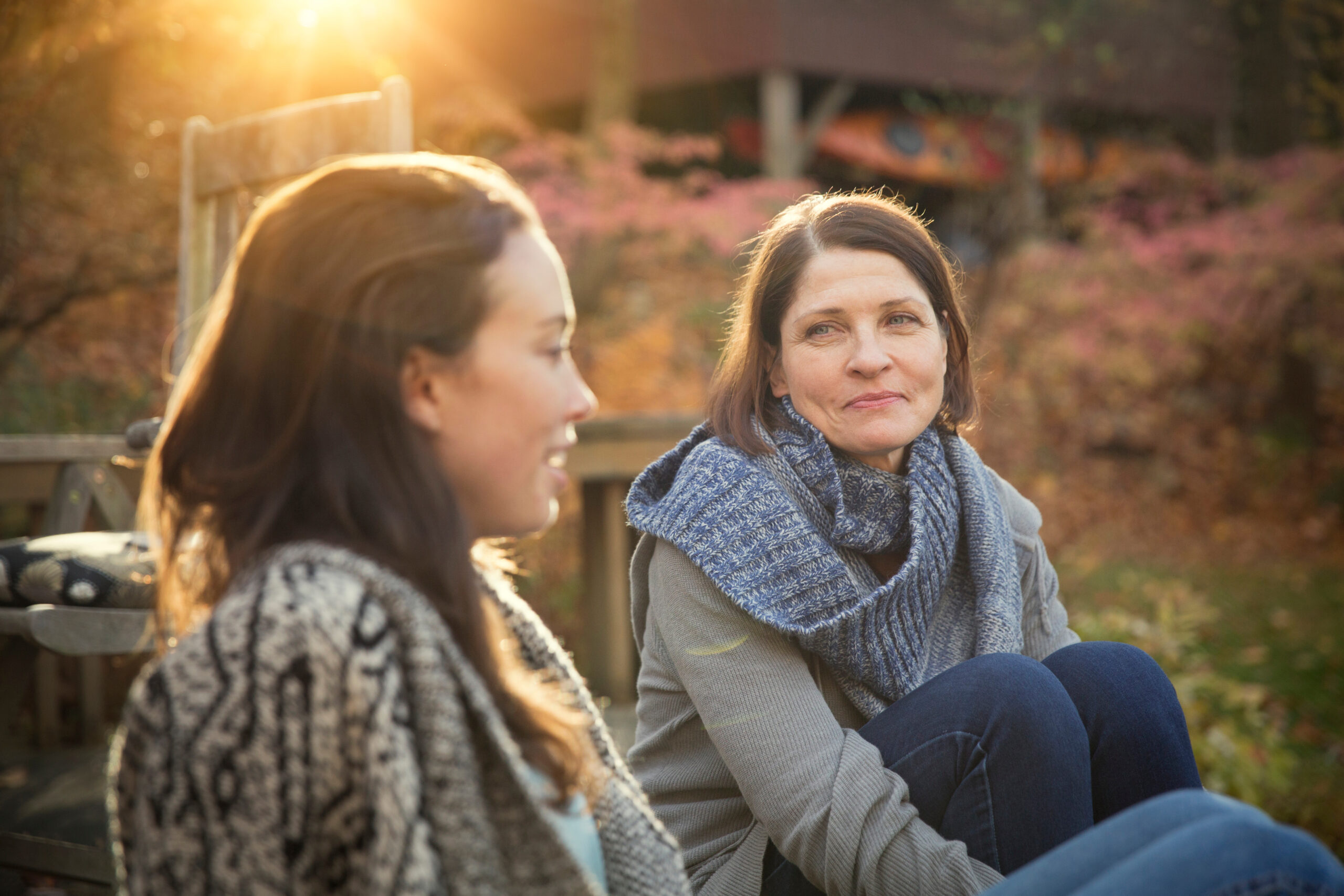
I was able to share the clinical insights I’ve built over 15 years — not as a lecture, but as dialogue. Women asked questions freely. They connected the dots in real time. They realised they weren’t alone.
It was also a powerful opportunity to introduce Health & Her to a community of women who could genuinely benefit from accessible, evidence-informed support. In my work at home, I see daily how transformational the right information — and the right tools — can be.
Watching those moments land, live, was incredibly special.
The women who stayed with me
What made the experience unforgettable were the women themselves.
Carrie brought such honesty to the table. She spoke openly about navigating change while still showing up fully in her career and life. There was something incredibly grounding about her willingness to say, “This feels different. I don’t quite recognise myself right now.” So many women I work with express that same quiet loss of confidence — and seeing it spoken aloud, without shame, felt powerful.
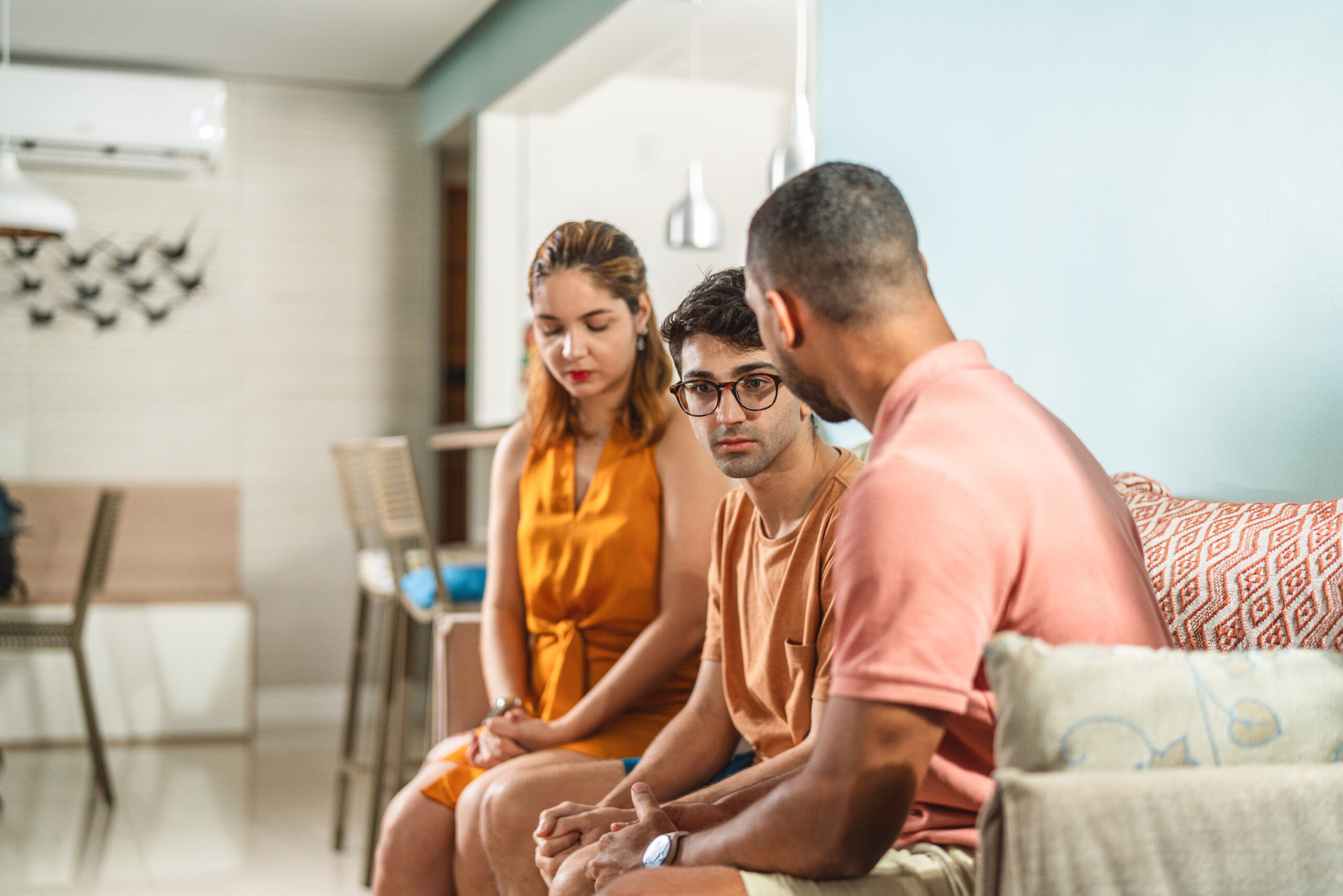
Laura, there as a partner and advocate, reminded me how important support systems are. She asked thoughtful questions. She listened deeply. She wanted to understand — not fix, not dismiss, but genuinely understand. Watching that dynamic reinforced how much perimenopause is not just a women’s issue; it’s a relationship issue, a family issue, a workplace issue.
And then there was Autumn. Her resilience and openness created space for others to go deeper. She spoke with such strength about reclaiming her health and her voice. What struck me most was her refusal to settle for “this is just how it is.” That determination mirrored so many of the women I see in clinic — women who have been told to tolerate symptoms rather than explore them.
Being part of those conversations — not as the practitioner in the room, but as a participant in a shared experience — shifted something in me.
The future of women’s health — and why it matters
One of the most energising conversations I had was with Dr Cat from Winona. We spoke about how technology is reshaping access to care for women in midlife — and how desperately that change is needed.
Women are tired of being dismissed.
Tired of long waits.
Tired of being told their symptoms are “just stress.”
We talked about how digital platforms, telemedicine, and better data can shift that landscape. How tech — when done responsibly — can empower women rather than overwhelm them.
Those conversations felt hopeful. Forward-looking. Necessary.
Microbiome science meets real life
We also delved into the microbiome — an area of research that continues to fascinate me. The intricate interplay between gut health, hormones, immunity, inflammation and mental wellbeing is one of the most exciting frontiers in women’s health.
But what made it powerful wasn’t the science alone.
We talked about it while cooking together. Preparing food. Sitting down and sharing meals. Watching how understanding changes behaviour in the most natural way possible.
Science stopped being abstract. It became a lived experience.
The part I wasn’t prepared for
What I truly wasn’t prepared for was the connection.
Spending that amount of time with the other experts and the guests created something rare. Honest conversations turned into real friendships. Professional respect turned into genuine affection.
By the time filming ended, we weren’t just colleagues on a project.
We felt like family.
Leaving Costa Rica felt like leaving loved ones on the other side of the world after Christmas — that physical pull in your chest as you say goodbye. The quiet ache on the journey home.
For something that began as a professional opportunity, it became deeply personal.
What I brought home
I returned to my clinic work in the UK with renewed clarity.
Day in, day out, I continue to sit with women navigating change. I continue to interpret lab tests, build protocols, and talk through symptoms that have been ignored for too long.
But Costa Rica reminded me of something fundamental:
Women don’t just need information.
They need space.
They need community.
They need to feel understood.
And this is why I believe the series matters.
If a woman watching recognises herself in one of those conversations and realises she isn’t “failing” — her body is simply changing — that’s powerful.
If a partner watches and understands that brain fog, mood shifts, sleep disruption or loss of libido aren’t personality changes but physiological shifts, that changes relationships.
If families start speaking more openly about hormones instead of whispering about them, that changes culture.
This series has the potential to normalise conversations that are still happening behind closed doors in the UK. To bridge the gap between science and lived experience. To show that support exists — and that women deserve it.
That’s what stayed with me.
Supporting women with practical tools
Part of my role in Costa Rica was also representing Health & Her, a brand dedicated to supporting women through perimenopause and menopause with evidence-informed nutrition and supplements. In my clinical work in the UK, I often see how difficult it can be for women to find clear, trustworthy guidance in this space.
What I appreciated about bringing Health & Her into the conversation was the focus on practical support. Many of the guests were already trying to piece together solutions themselves — reading online, experimenting with supplements, searching for answers. Being able to discuss what actually works, and why, felt incredibly valuable.
For me, the most rewarding part was seeing women realise that support does exist, and that the symptoms they’re experiencing are both real and manageable when they’re given the right information and tools.
FAQ: Perimenopause & Menopause
What is perimenopause?
Perimenopause is the transitional phase leading up to menopause, where hormone levels fluctuate and symptoms such as irregular periods, mood changes, sleep disruption, and brain fog can begin.
What is menopause?
Menopause is officially diagnosed after 12 consecutive months without a menstrual period. It marks the end of reproductive years and is associated with lower oestrogen and progesterone levels.
How long does perimenopause last?
Perimenopause can last several years. For some women, symptoms are mild and short-lived. For others, they can be more pronounced and longer lasting.
Can nutrition help during perimenopause and menopause?
Targeted nutrition and evidence-informed supplementation can support energy, mood, sleep, bone health, metabolic resilience, and overall wellbeing during midlife transitions.
Is it normal to feel different during perimenopause?
Yes. Many women describe feeling unlike themselves due to hormonal shifts. These changes are physiological — not a personal failing — and support is available.
To reach Rosie Visit: https://www.rosielettsnutrition.com/
For more information on ‘Health and Her’ Visit: https://healthandher.com/