

Freedom from the Fire: The Manifesto of the Unbroken Review
There is a fire that medicine cannot quench. It is called Complex Regional Pain Syndrome (CRPS)—a condition so brutal it has earned the haunting nickname “the suicide disease.” For decades,

There is a fire that medicine cannot quench.
It is called Complex Regional Pain Syndrome (CRPS)—a condition so brutal it has earned the haunting nickname “the suicide disease.” For decades, the dominant narrative around CRPS has been one of limitation and surrender: patients told to manage, endure, and accept a future defined by escalating pain.
Freedom from the Fire challenges that narrative.
This visually striking and emotionally raw documentary is not just a film—it is a declaration of resistance, hope, and reclamation. It speaks directly to those who have been told there is no way out and dares them to imagine something more.
A Film That Refuses Surrender
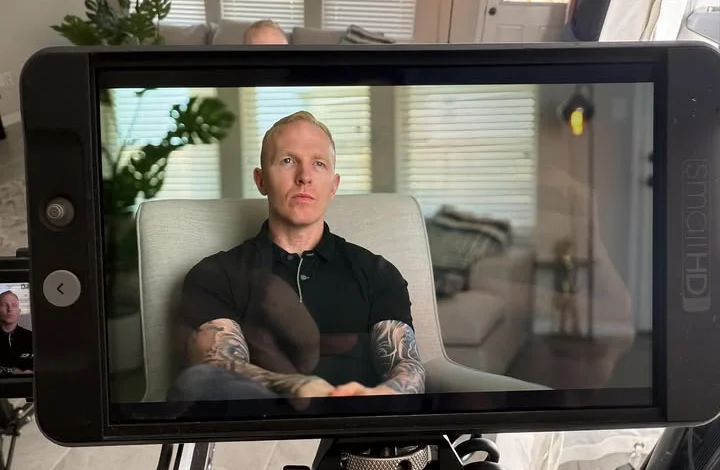
At the center of Freedom from the Fire is Dr. Chase Teagarden, Doctor of Physical Therapy and Therapeutic Pain Specialist. But Chase is not simply an expert—he is living proof.
Eleven years ago, Chase was immobilized by CRPS. He couldn’t wear a sock. He relied on his mother’s old walker. He spent years trapped on a couch, contemplating whether ending his life would be the only way to end the pain.
After four years inside the trenches of his own nervous system, Chase found a way back—to movement, safety, and a pain-free life. Today, he stands as a reminder that the word “incurable” often reflects the limits of the system, not the human body.
The People: More Than a Diagnosis
Finding Community in Charlotte, North Carolina
The heartbeat of the film lives in Charlotte, North Carolina, where The Window Pain community gathered for their first annual meetup. For many, it was the first time they stood face-to-face with someone who truly understood the fire in the veins.
These are not case studies.
These are warriors.
Lydia: Grief, Horses, and Healing
Lydia’s childhood was derailed by CRPS. One of the most devastating losses was saying goodbye to her beloved horse, Ila, when pain made riding impossible.
The documentary captures a pivotal realization: Lydia’s physical pain was deeply tied to unprocessed grief and surgical trauma. When she finally addressed those emotions—writing a letter to Ila and acknowledging the loss—something remarkable happened.
The fire began to quiet.
Watching Lydia build the courage to bond with a new horse is not just emotional—it is a tactical victory over CRPS.
Christina: Reclaiming Movement and Voice
Christina was diagnosed with CRPS at just nine years old. By adulthood, her brain had locked her hand into a writing position, trapping her body in a constant state of defense.
Terrified she would live in pain forever, Christina learned to rebuild safety within her nervous system. Through self-care and brain re-mapping, she regained movement—and something more.
She found her voice again, returning to singing and leading worship. Her story proves that healing is not just about pain relief, but identity restoration.
Adam: A Father’s Definition of “Better”
Adam described himself as a “husk of a person.” CRPS had stolen his ability to walk, play, and be present with his three sons.
For Adam, better wasn’t perfection.
It was throwing a football in the sunshine.
After just 16 weeks working with Chase, Adam achieved more than 27 doctors had in five years. His recovery stands as a powerful reminder: taking your life back is the real cure.
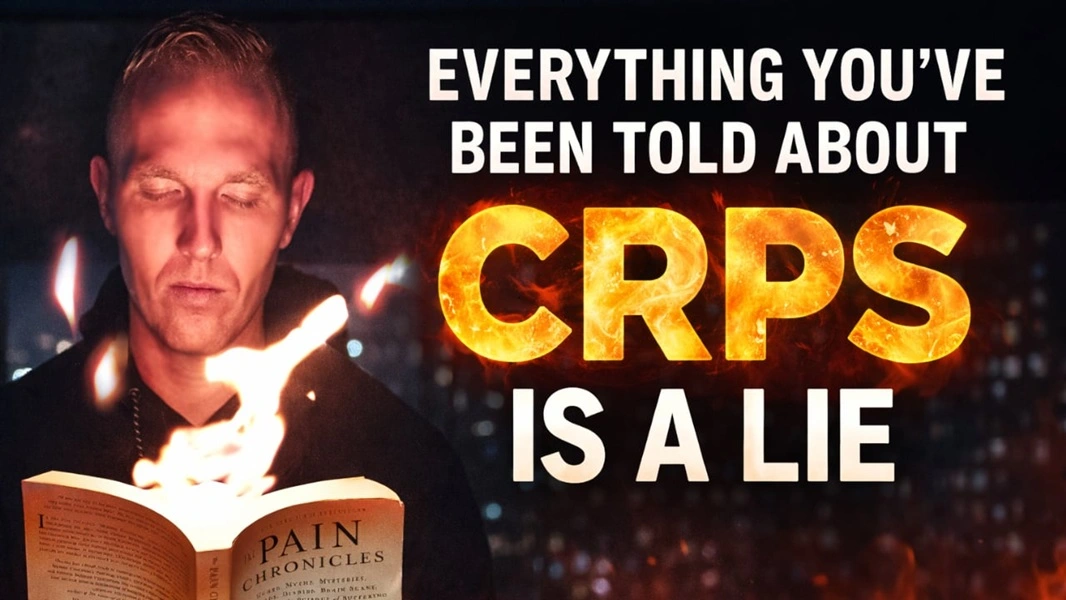
The Fight: Mapping a Way Out of CRPS
Why Traditional Medicine Misses the Mark
Chase Teagarden challenges a core flaw in conventional treatment: focusing on isolated body parts instead of the whole human experience.
CRPS is not just a limb problem—it is a nervous system problem.
When fear, trauma, or suppressed grief linger beneath the surface, the brain’s internal body map becomes distorted. Pain volume increases—not as punishment, but as protection.
Reintroducing Safety to the Nervous System
Chase’s approach centers on one radical idea: safety.
By gently reintroducing “information of safety” and addressing unresolved emotional trauma, the brain begins to update its map. As clarity returns, the pain no longer needs to scream.
This is not quick.
It is not easy.
But it is possible.
The Reason Why: A Legacy of Hope
The emotional core of Freedom from the Fire reveals the true source of Chase’s relentless compassion.
The voice of hope his clients hear during their darkest nights is not his own.
It belongs to his late mother.
As she lay dying from stage-4 cancer, she gazed out a window and quietly said, “It’s supposed to be sunny tomorrow… I think I’ll feel better.”
She passed away two weeks later, holding Chase’s hand.
That moment became his foundation. If hope could exist at the edge of life, then pain could never be the final authority.
A Battle Cry to the CRPS Community
Freedom from the Fire is not just a documentary.
It is a manifesto.
To everyone living with CRPS, it declares:
- You are not a clinical curiosity.
- You are not broken beyond repair.
- You are not a lost cause.
You are a warrior.
Pain is real—but it does not have to be your master. Healing ripples outward, changing families, communities, and futures.
The sun is coming up tomorrow.
And it’s time to feel better.
Frequently Asked Questions About CRPS
What is Complex Regional Pain Syndrome (CRPS)?
CRPS is a chronic pain condition involving the nervous system, often developing after injury or surgery. It can cause severe pain, sensitivity, movement limitations, and emotional distress.
Why is CRPS called “the suicide disease”?
Due to its intensity and the lack of effective treatment offered by traditional medicine, CRPS has been associated with high rates of depression and suicidal ideation.
Is CRPS truly incurable?
While CRPS is often labeled incurable, emerging approaches—like nervous system re-mapping and trauma-informed care—show that significant recovery and even remission are possible.
How does the nervous system play a role in CRPS?
The brain may misinterpret safety signals, amplifying pain as a protective response. Restoring a sense of safety can help calm the nervous system and reduce symptoms.
What is The Window Pain?
The Window Pain is a community and therapeutic movement founded by Dr. Chase Teagarden, focused on safety, connection, and nervous system healing for chronic pain sufferers.
About This Review
This review was created in partnership with Dr. Chase Teagarden and Matthew (Matt Canada) Brown for Ravoke.com. Both are CRPS warriors who have overcome trauma, chronic pain, and isolation through safety, connection, and community.
To learn more about Dr. Chase and The Window Pain, visit: https://thewindowpain.com/ To watch the Freedom from the Fire documentary, visit: https://ravoke.com/freedom-from-the-fire-2/