



Did the Current Administration Scare Brands from Targeting Black and Brown Communities?
Written by Charles Mattocks for Ravoke.com In recent years, the phrase “diversity, equity, and inclusion” (DEI) has transformed from a rallying cry for equality into a politically charged term —

Written by Charles Mattocks for Ravoke.com
In recent years, the phrase “diversity, equity, and inclusion” (DEI) has transformed from a rallying cry for equality into a politically charged term — one that many companies now hesitate to use. But the mission behind DEI remains critical, especially within healthcare, where lives and livelihoods are at stake.
Before the shift in government leadership, DEI wasn’t a taboo concept. It was celebrated. Companies proudly invested in initiatives that uplifted underrepresented communities. But recent administrative actions and rhetoric have reshaped perceptions, leaving many organizations uncertain — and in some cases, afraid — to affirm their commitment to DEI or to focus on communities of color.
Maybe the word “DEI” has been overused or weaponized, but its purpose is still vital. What we may need isn’t less inclusion — but a new term, a new energy, and a renewed commitment to humanity.
What Is DEI?
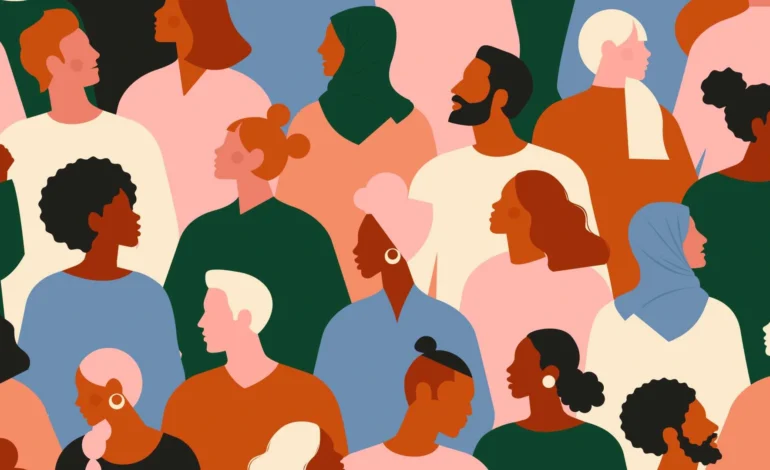
Diversity, Equity, and Inclusion (DEI) is a framework designed to ensure fair treatment, representation, and opportunity for all individuals, especially those from historically marginalized or underrepresented backgrounds.
Many organizations have embraced DEI through task forces, leadership roles, and cultural initiatives designed to create workforces that reflect society’s true diversity. When DEI is embedded in an organization’s values, it builds stronger teams and a more equitable world.
Why DEI in Healthcare Matters More Than Ever
The significance of DEI is amplified in healthcare — where disparities can mean the difference between life and death.
Research shows:
- Black and Hispanic patients report more negative healthcare experiences and are more likely to feel dismissed by providers.
- Patients of color often struggle to find physicians who share their cultural or ethnic background — something that deeply affects comfort and trust.
- LGBTQ+ individuals frequently face barriers to accessible, respectful care.
- Economic inequities mean millions lack confidence in affording essential treatments or medications.
For context, eliminating racial disparities in U.S. healthcare could erase an estimated $93 billion in excess medical costs — savings that reflect not only efficiency, but fairness.
The Benefits of DEI in Healthcare
Effective DEI strategies lead to tangible results:
- Better patient outcomes: Studies show care improves when delivered by diverse and inclusive medical teams.
- Reduced bias: Diverse teams communicate better and understand nuanced patient needs.
- Higher retention: Employees who feel represented are more loyal and engaged.
- Financial performance: Inclusion drives innovation — and profits.
Healthcare DEI isn’t a political issue; it’s a human one. Accessible, respectful, and equitable care benefits everyone, regardless of background or belief.
The Political Backlash Against DEI
Recent federal executive orders — EO 14173 and EO 14151 — have altered the landscape for DEI efforts across sectors, including healthcare.
- EO 14173 compels federal contractors to certify that they do not operate “illegal” DEI programs and suspends existing affirmative action enforcement.
- EO 14151 eliminates DEI offices in federal agencies, bans the celebration of identity-based observances, and restricts inclusive practices like the use of preferred pronouns.
The healthcare industry, heavily funded by federal programs like Medicare and Medicaid, now faces uncertainty and fear amid these restrictions. Medical associations have strongly opposed these actions, emphasizing that DEI is essential to address deep-rooted care disparities.
Reclaiming the Mission Beyond Politics
What’s happening isn’t just about policy — it’s about people. Workers who once found purpose in DEI roles have lost jobs. Programs that supported underinsured patients have been defunded. And millions of Americans continue to fall behind in a system that prioritizes profit over people.
This moment calls for redefinition, not retreat. Just as “Black Lives Matter” became both a cry for justice and a lightning rod for controversy, “DEI” may need reimagining — but the mission it represents must endure.
At its core, DEI is about humanity. It’s about ensuring that those in pain, those without insurance, those fighting cancer or chronic illness, are treated with fairness and dignity. It’s about companies and communities stepping up, not stepping away from empathy and equity.
The word may change — but the work must continue.
What Can Be Done Now (Even in a Chilled Political Climate)
1. Shift from Labels to Outcomes (Without Abandoning the Mission)
The biggest mistake organizations are making is confusing terminology with intent.
DEI does not have to disappear to remain effective. Many healthcare systems, insurers, and life-science companies are quietly reframing their work around:
- Health equity
- Patient-centered care
- Clinical access and quality
- Workforce fairness and compliance
- Population health outcomes
Instead of saying “DEI initiative,” organizations can:
- Track disparities in readmission rates
- Improve language access and disability accommodations
- Expand rural and underinsured outreach
- Recruit providers based on community need
These are measurable, defensible, and legally sound.
Equity work survives when it is tied to outcomes, not ideology.
2. Embed Equity into Core Operations (So It Can’t Be Cut)
Programs get cut when they live in separate departments.
Equity must be:
- Built into clinical quality metrics
- Included in risk management
- Embedded in patient safety
- Tied to CMS reimbursement outcomes
- Linked to staff retention and burnout reduction
If equitable care improves outcomes (it does), then it becomes a business necessity, not a political statement.
3. Use Data Relentlessly
What survives political pressure is evidence.
Healthcare organizations should:
- Disaggregate patient outcome data by race, disability status, geography, income, and language
- Document cost savings from reduced ER visits and preventable complications
- Quantify workforce turnover costs related to exclusion or burnout
This reframes inclusion as fiscal responsibility, not activism.
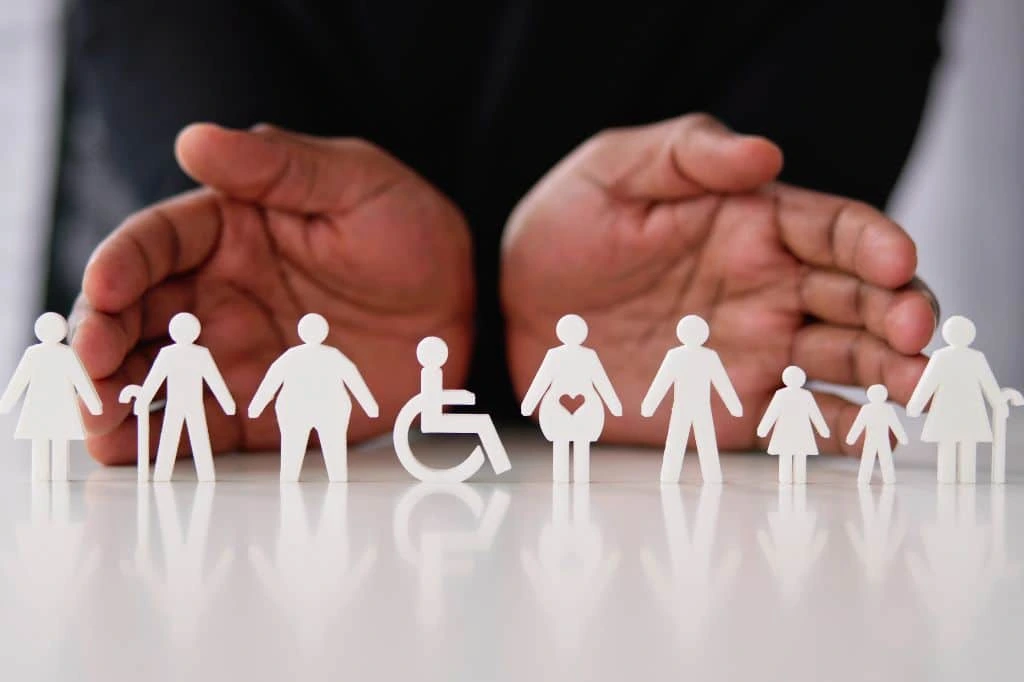
Who Else Gets Hurt When DEI Is Dismantled?
The impact goes far beyond Black and Brown communities.
1. People With Disabilities
This group is often forgotten—and disproportionately harmed.
When inclusion efforts fade:
- Physical accessibility upgrades are delayed or abandoned
- ASL interpretation and assistive technology are cut
- Neurodivergent employees lose accommodations
- Disabled patients face longer wait times and misdiagnoses
Disability is the only marginalized identity that anyone can acquire at any time—through aging, injury, illness, or accident.
Rolling back inclusion today means creating barriers for your future self.
2. Older Adults
As DEI language disappears:
- Age bias resurfaces in care decisions
- Seniors face dismissive treatment for pain or chronic illness
- Digital-only systems exclude those without tech fluency
Equity protections often shield older adults from being silently deprioritized.
3. Rural and Low-Income White Communities
This is rarely acknowledged, but critical.
When equity initiatives are cut:
- Rural hospitals close
- Maternal care deserts expand
- Addiction and mental health services shrink
- Preventive care becomes inaccessible
Many DEI-backed programs addressed geographic and economic disadvantage, not race alone. Their removal harms millions of white Americans as well.
4. Women—Especially in Healthcare Workforces
Healthcare is powered by women, particularly women of color.
When inclusion efforts retreat:
- Pay gaps widen
- Caregiver accommodations disappear
- Leadership pipelines narrow
- Burnout accelerates
This directly affects patient safety and staffing shortages.
Why Have So Many Organizations Gone Quiet?
1. Fear of Legal and Financial Retaliation
Many institutions are:
- Overcorrecting to avoid scrutiny
- Misinterpreting executive orders
- Choosing silence over clarification
This is not always cowardice—it is risk aversion.
But silence has consequences.
2. Political Polarization Has Weaponized Language
Terms like “DEI” are now:
- Framed as partisan
- Mischaracterized as exclusionary
- Used as cultural wedge issues
Organizations fear becoming the next viral headline or boycott target—even when their work is lawful and necessary.
3. Leadership Lacks Moral Clarity
Some executives supported DEI when it was popular—but not when it became costly.
This moment has exposed:
- Performative commitments
- Shallow values statements
- Leadership unwilling to defend workers or patients
True values are tested when they carry risk.
4. Marginalized Employees Are Tired
Many advocates have gone quiet because:
- They’ve been laid off
- Their roles were eliminated
- They’re emotionally exhausted
- Speaking up now feels unsafe
Silence is sometimes self-preservation.
Frequently Asked Questions
Q1: Why are some brands moving away from DEI initiatives?
A: Political shifts and new executive orders have made companies wary of public DEI efforts, fearing backlash or compliance risks.
Q2: Does changing the term “DEI” mean abandoning its purpose?
A: Not at all. The principles of inclusion and equity remain essential; only the terminology might evolve to move past politicization.
Q3: Why is DEI critical in healthcare specifically?
A: Because equitable care ensures better health outcomes, less bias, and fair access to treatment — particularly for marginalized groups.
Q4: Are DEI efforts still legal?
A: Generally, yes. However, organizations receiving federal funds must now navigate new regulations carefully.
Q5: What’s the alternative to DEI?
A: Some advocates suggest reframing efforts under terms like “Human Equity,” “Inclusive Excellence,” or “Health Justice” — keeping the purpose intact while reducing stigma.