



10 Effective Ways to Reduce Bloating Quickly and Naturally
By Gloria Lancer for Ravoke.com Bloating can make your stomach feel tight, swollen, and uncomfortable—sometimes even painful. While it’s a common digestive issue, it can interfere with daily life and


By Gloria Lancer for Ravoke.com
Bloating can make your stomach feel tight, swollen, and uncomfortable—sometimes even painful. While it’s a common digestive issue, it can interfere with daily life and leave you searching for quick relief.
The good news? In most cases, bloating can be managed with simple lifestyle adjustments, natural remedies, and a better understanding of what’s causing it in the first place.
Why does bloating happen?
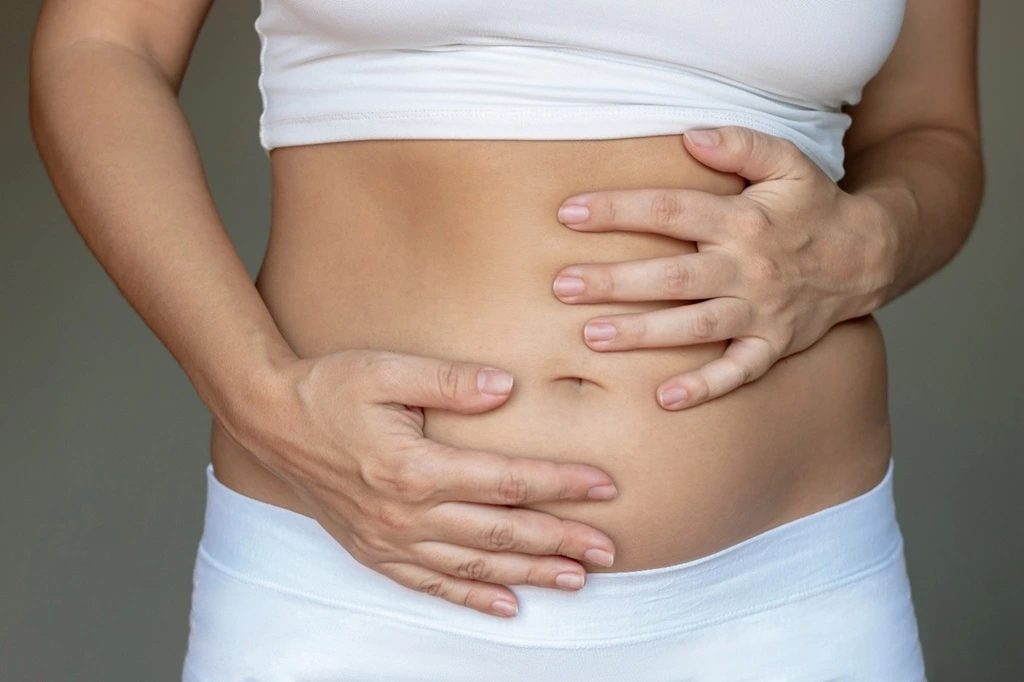
Bloating usually occurs when gas builds up in the digestive tract, causing the abdomen to expand and feel full. In some cases, fluid retention can also contribute to that swollen feeling.
Common causes of bloating include:
Digestive problems
Constipation, food intolerances, and slow digestion can all lead to gas buildup and discomfort.
Diet choices
Carbonated drinks, salty foods, excess sugar, and low fiber intake can disrupt digestion and increase bloating.
Hormonal changes
Many people experience bloating before or during their menstrual cycle due to shifts in hormones and water retention.
Understanding your personal triggers is key to finding the most effective solution.
10 ways to reduce bloating fast
If you’re dealing with a bloated belly, these practical strategies can help provide relief—often within a short time.
1. Take a short walk
Light movement helps stimulate digestion and encourages the release of trapped gas. Even a 10–15 minute walk can make a noticeable difference.
2. Try gentle yoga stretches
Certain poses help move gas through the digestive system and relax abdominal muscles. Positions that involve bending or squatting can be especially helpful.
3. Use peppermint-based remedies
Peppermint is known for its soothing effect on the digestive tract. It may help relax intestinal muscles and ease gas-related discomfort.
4. Consider anti-gas products
Over-the-counter remedies designed to break up gas bubbles can provide quick relief. Always follow usage instructions carefully.
5. Massage your abdomen
A gentle stomach massage—especially following the natural path of the intestines—can help stimulate movement and reduce pressure.
6. Apply heat or take a warm bath
Warmth can relax abdominal muscles and ease discomfort. A heating pad or bath can also help reduce stress, which plays a role in digestion.
7. Use natural digestive support
Some herbal blends and plant-based oils may support digestion and reduce bloating. Always check with a healthcare provider before trying new supplements.
Long-term strategies to prevent bloating
Quick fixes are helpful, but if bloating happens often, it’s important to address the root cause. These habits can help reduce bloating over time.
8. Increase fiber slowly
Fiber supports healthy digestion, but adding too much too quickly can worsen gas. Gradually increase your intake and drink plenty of water.
9. Replace fizzy drinks with water
Carbonated beverages introduce extra gas into your digestive system. Switching to still water can significantly reduce bloating.
10. Avoid habits that trap air
Chewing gum, drinking through straws, or eating too quickly can cause you to swallow air—leading to more gas and discomfort.
Additional tips for better digestion
Eat smaller, more frequent meals
Large meals can overwhelm your digestive system. Smaller portions spaced throughout the day can help keep things moving smoothly.
Stay active daily
Regular movement supports healthy bowel function and reduces water retention.
Try probiotics
Beneficial bacteria can help balance your gut and reduce gas production over time.
Watch your salt intake
Too much sodium can cause the body to hold onto water, leading to a bloated feeling.
Keep a food journal
Tracking what you eat can help identify patterns and pinpoint foods that trigger bloating.
When bloating may signal something more serious
Occasional bloating is normal, but persistent or severe symptoms may indicate an underlying condition.
Seek medical advice if you experience:
- Ongoing bloating that lasts for days or weeks
- Unexplained weight loss
- Severe abdominal pain
- Blood in stool or very dark stools
- Frequent vomiting or diarrhea
- Loss of appetite
These symptoms could be linked to digestive disorders or other health issues that require medical evaluation.
The bottom line
Bloating is uncomfortable, but it’s often manageable with simple changes to your routine. By understanding your triggers and adopting healthier habits, you can reduce both the frequency and severity of symptoms.
Small steps—like walking more, eating mindfully, and choosing the right foods—can make a big difference in how your body feels every day.
Frequently Asked Questions (FAQ)
What causes bloating after eating?
Bloating after meals is often caused by gas buildup, overeating, or consuming foods that are difficult to digest.
How can I reduce bloating immediately?
Light exercise, warm compresses, and anti-gas remedies can help relieve bloating quickly.
Are certain foods more likely to cause bloating?
Yes. Foods high in salt, sugar, or carbonation—as well as some high-fiber foods—can contribute to bloating in some people.
Is bloating a sign of food intolerance?
It can be. Lactose, gluten, and other food sensitivities are common triggers for digestive discomfort and bloating.
Can stress cause bloating?
Yes. Stress can affect digestion and slow down the gut, leading to increased gas and discomfort.
How do I know if my bloating is serious?
If bloating is persistent, painful, or accompanied by other symptoms like weight loss or blood in stool, it’s important to consult a doctor.